- River River Books' Newsletter
- Posts
- Five Questions with author Elane Kim
Five Questions with author Elane Kim
On arranging and rearranging memory, on antibodies, on the desire to outlast oneself
We’re delighted to present our Five Questions author interview with poet Elane Kim, whose debut full-length collection Antibody publishes on February 23, 2026. We would love it if you preordered this amazing book today, dear reader.
Thank you for supporting small presses and their authors—every preorder matters a great deal to us and supports our design, printing, and shipping costs.
How does the idea of place, something we love at River River Books, shape your collection?
While I’ve lived most of my life in California, my poems like to wander! In Antibody, place is not guaranteed, and a lot of the poems in the collection question what it means to inhabit a space so intimately that it becomes home—and whether that is even possible. Place instead becomes a way to navigate memory. Many of my poems, in arranging and rearranging place, attempt to arrange and rearrange memory.
What is a poem that you see as a particular driving force in Antibody, and why?
The book is divided into sections, each of which has its own driving voice, its own driving lens. For example, the first segment is guided by voices of the past and a desire to outlast oneself, which I think is encapsulated by “Suite D.” The other segments are left as an exercise to the reader!
What was a significant revision that occurred along the way?
Because this is my first collection, something I struggled with was knowing how to place the poems in conversation with one another. Getting to see how themes emerged not only within but also across poems was deeply rewarding and reshaped how I understood the collection as a whole.
An antibody is often used in lab to help visualize the proteins we want to see, provided we know what we’re looking for; they make visible what already exists but cannot be seen.
At what stage did your final title emerge—early, late? How did it help with your collection’s conception?
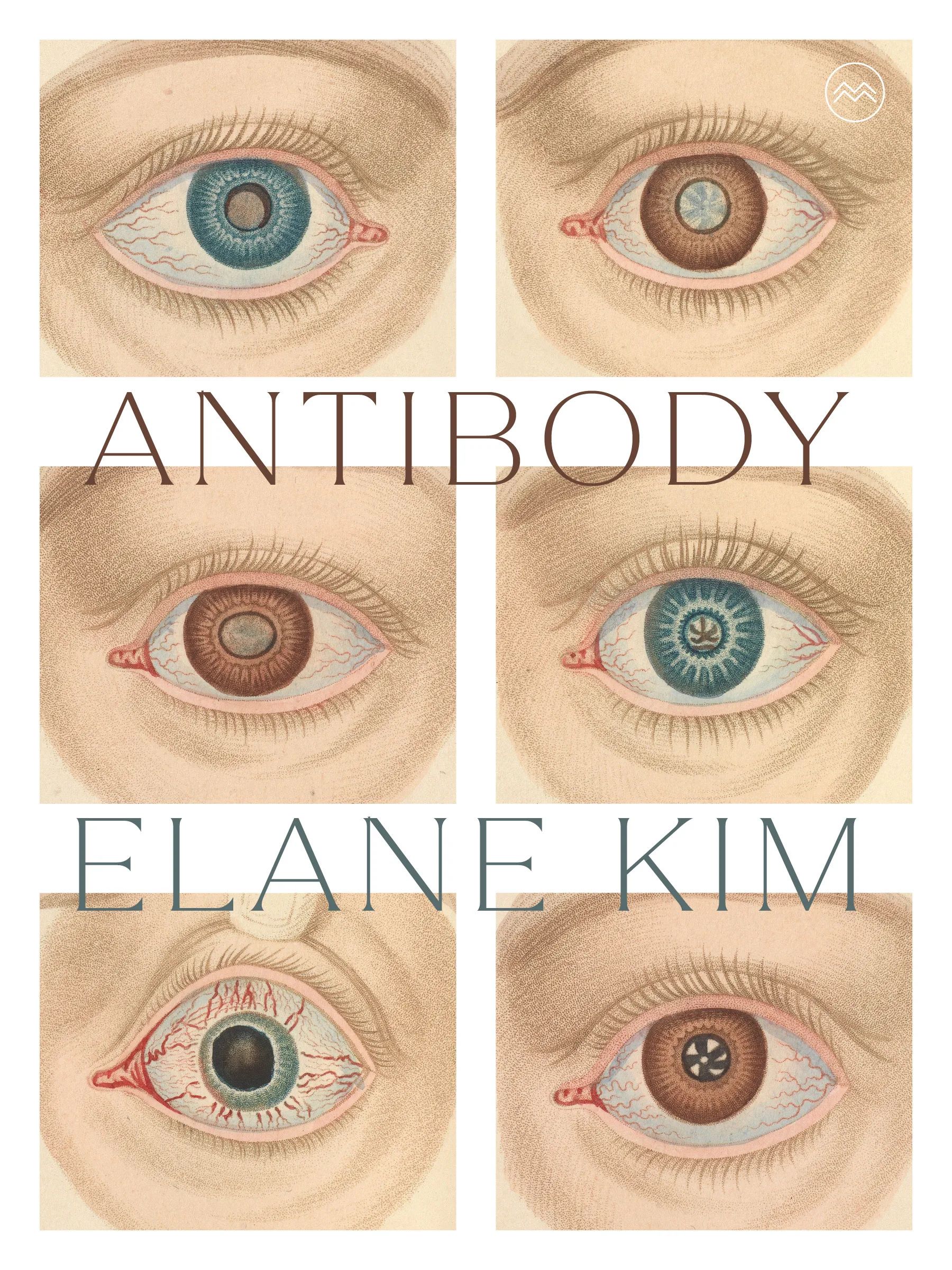
The final title emerged pretty late into the process! I enjoy science for reasons not totally removed from why I love poetry. An antibody is often used in lab to help visualize the proteins we want to see, provided we know what we’re looking for; they make visible what already exists but cannot be seen. The term was coined in 1891 by Paul Ehrlich, a physician-scientist who studied how the body distinguishes self from non-self (and thus helped shape modern immunology!). It roughly means “against body”—language I found really compelling. I think that titling the collection helped to finally crystallize the themes (vision/visibility, grief/science, etc.). Also, I think that it gave rise to a really cool cover.
They were shaped during moments of uncertainty where I returned again and again to poetry for solace and for grace. I hope these poems keep you company, too.
What’s something you wish every reader could know about you as the writer of Antibody?
I hope readers know that I wrote these poems in the spirit of companionship and understanding. They were shaped during moments of uncertainty where I returned again and again to poetry for solace and for grace. I hope these poems keep you company, too.
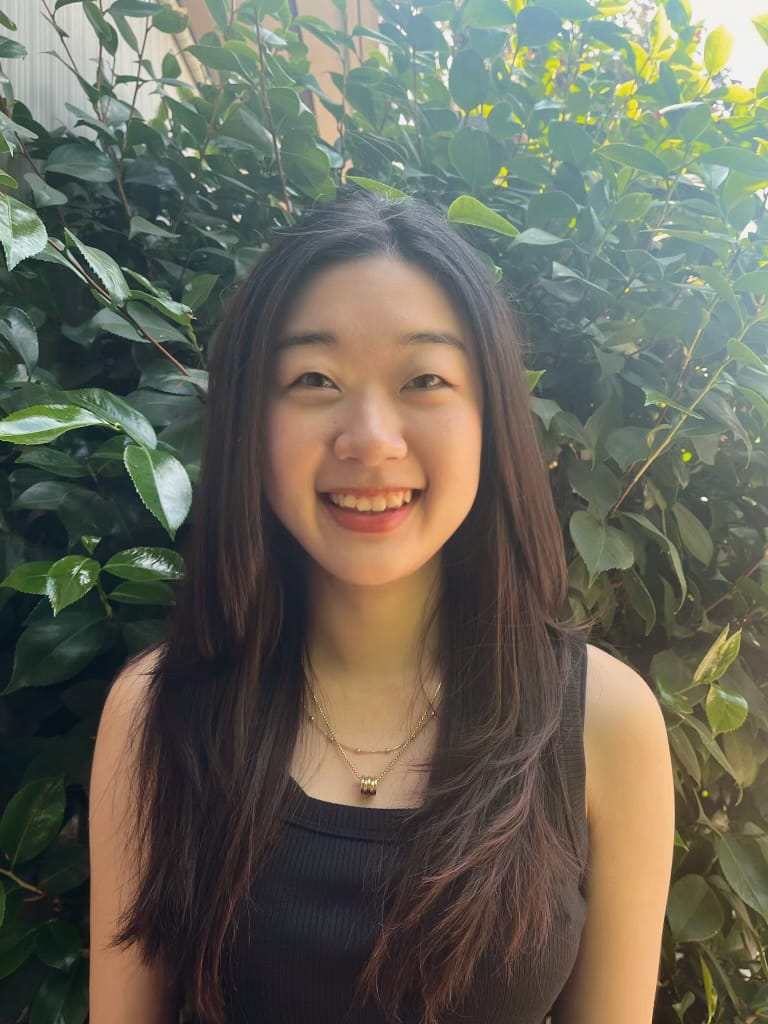
Elane Kim
Elane Kim is a Korean American writer from California. The editor-in-chief of Gaia Lit, she is the recipient of the 2024 Roger Conant Hatch Prize for Lyric Poetry, the winner of the 2021 Columbia Journal Winter Poetry Contest, and a Davidson Fellow in Literature. Her writing can be found in Poetry, Narrative Magazine, One Teen Story, and more. She is the author of Postcards (Bull City Press, 2022) and a student at Harvard College.